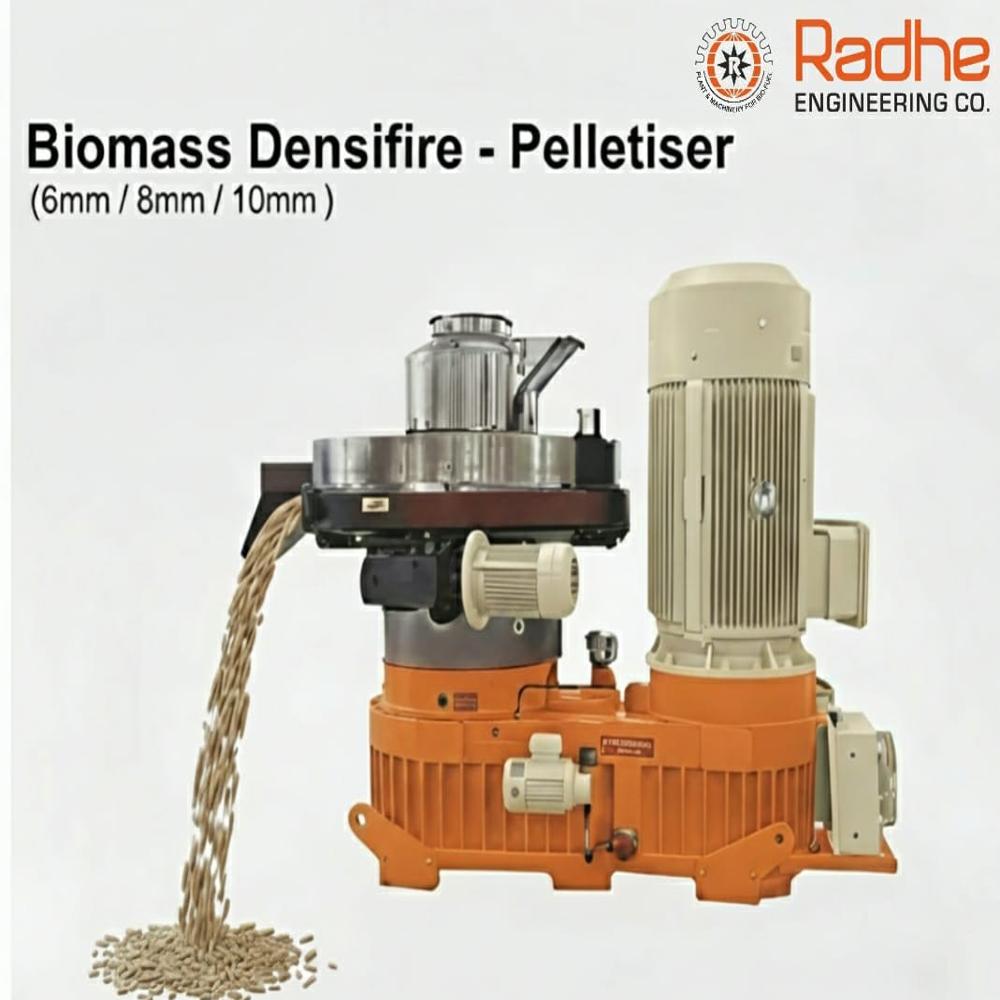
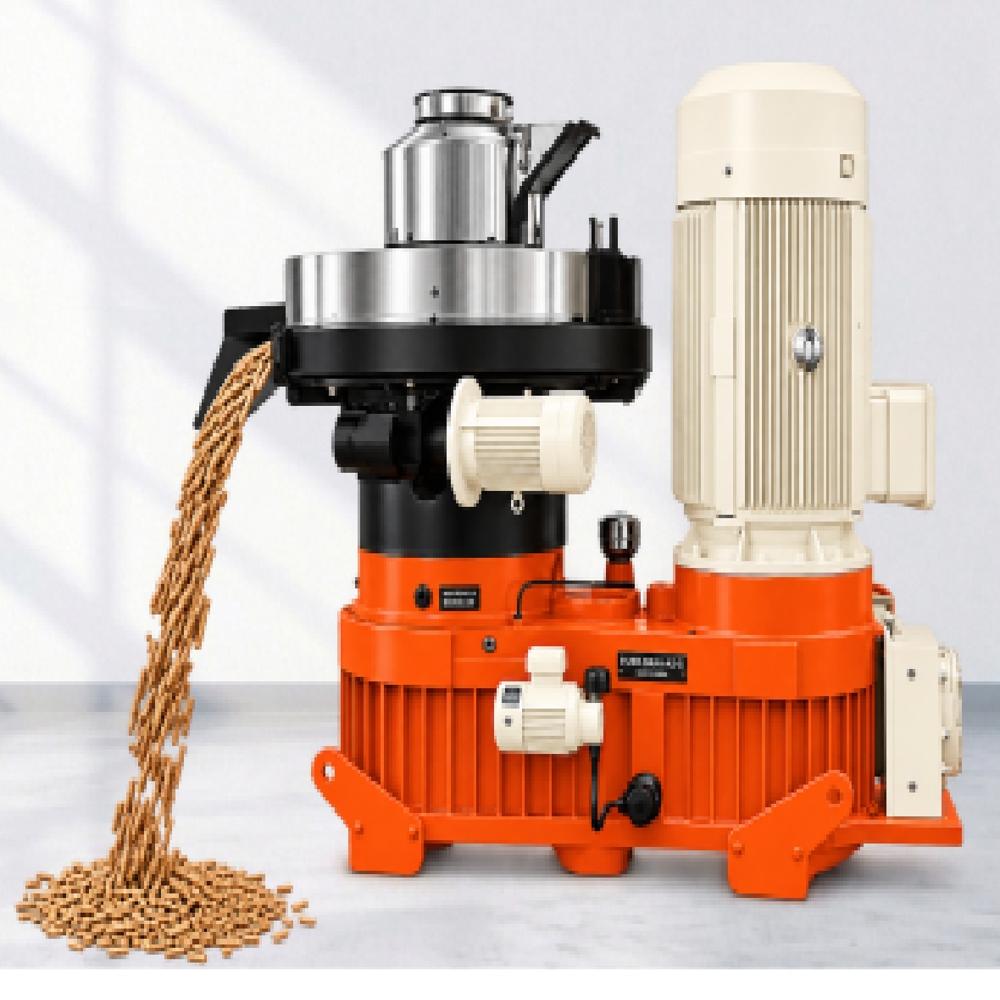
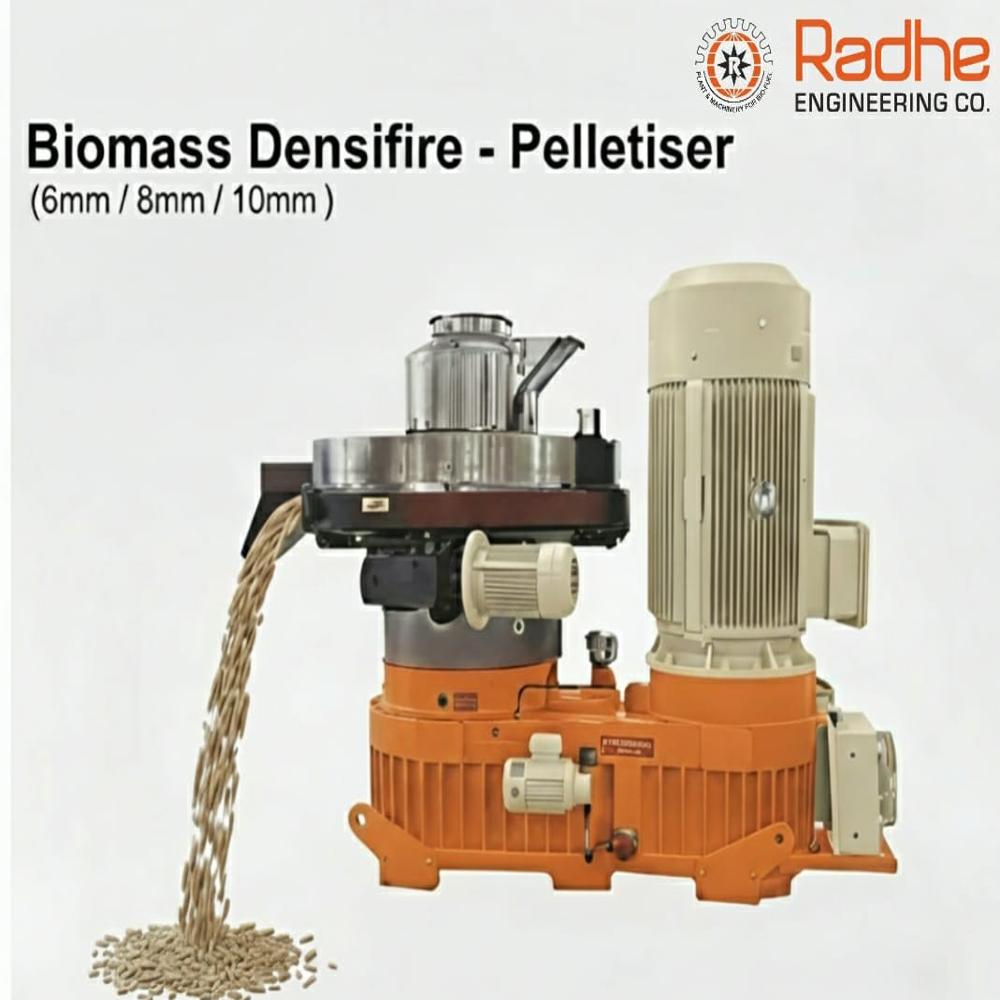
About Biomass Ring Type Pellet Machine
BIOMASS RING TYPE PELLET MACHINEBIOMASS RING TYPE PELLET MACHINEBIOMASS RING TYPE PELLET MACHINEBIOMASS RING TYPE PELLET MACHINEBIOMASS RING TYPE PELLET MACHINEBIOMASS RING TYPE PELLET MACHINEBIOMASS RING TYPE PELLET MACHINE
Advanced Features for Reliable PelletizingThis pellet machine boasts high-pressure operation, automatic pellet discharge, and integrated forced air cooling, ensuring superior pellet quality and process reliability. The advanced PLC panel offers intuitive operation, remote monitoring options, and safety interlocks, while the automatic lubrication system minimizes maintenance downtime and extends machine life.
Versatile Applications Across IndustriesDesigned for use in biofuel, renewable energy, power generation, and animal bedding production, this machine supports a wide range of materials and addresses emerging industry needs. The large hopper and continuous feed system provide efficiency, making it ideal for both medium and large-scale production environments.
FAQ's of Biomass Ring Type Pellet Machine:
Q: How does the adjustable working speed improve the pelletizing process?
A: The adjustable working speed, reaching up to 1450 RPM, allows optimization of the pelletizing process based on the type and moisture content of the biomass material. This flexibility helps achieve maximum output, best pellet quality, and energy efficient operation.
Q: What materials can be used in this pellet machine, and do I need to add binding agents?
A: The machine is specifically engineered for various biomass materials such as sawdust, agro waste, and organic residues. Typically, no binding agents are required, as the natural lignin in the feedstock acts as a binder under high pressure and temperature.
Q: When is it necessary to change the ring die or rollers, and what are they made of?
A: Ring dies and rollers should be inspected regularly and replaced when significant wear is evident or pellet quality decreases. Both components are constructed from wear-resistant alloy steel, engineered for durability and longevity even under heavy-duty continuous operation.
Q: Where is the machine suitable for installation, and what utilities are required?
A: The pellet machine is designed for industrial settings such as biofuel plants, energy facilities, or large-scale animal bedding production sites. It requires a stable electric supply (380V/415V, 3 phase) and is compatible with both 50 Hz and 60 Hz frequencies.
Q: What is the process sequence from feedstock input to pellet discharge?
A: Biomass materials are loaded into the large-capacity hopper and transported by a variable speed screw feeder. They are compressed through a precision-drilled alloy ring die by heavy-duty rollers; formed pellets are automatically discharged via a chute and cooled before collection.
Q: How does the integrated cooling and lubrication system benefit machine usage?
A: The forced air cooling system ensures pellets attain proper hardness and prevent deformation, while the automatic grease lubrication system maintains critical components, reducing downtime and extending the intervals between maintenance cycles.
Q: What are the main benefits of using this machine for biomass pellet production?
A: Major benefits include high production capacity (up to 2.5 tons/hour), energy efficiency, safety features, and production of uniform, high-quality pellets suitable for renewable energy and animal bedding applications. Its robust design ensures reliable performance and low operational noise below 85 dB.







 Send Inquiry


